Your Complete Roadmap to Starting a Career as a Highway Patrol Officer


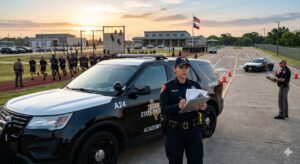
Many people dream of serving their community while working in a fast-paced, respected career. A highway patrol officer protects drivers, responds to emergencies, and helps keep roads safe every day. This career requires discipline, patience, and strong decision-making skills. At the same time, it offers purpose, teamwork, and long-term career growth. If you want to enter law enforcement, understanding the process early can help you prepare with confidence. Many future recruits begin researching state trooper career paths and the training and qualifications required for this rewarding profession.
Highway patrol officers often work on busy highways, rural roads, and accident scenes. They enforce traffic laws, assist stranded drivers, and respond to dangerous situations. Because the job carries serious responsibility, departments expect candidates to meet high physical, mental, and ethical standards before entering the academy.
Meeting Basic Entry Standards
Every state has slightly different hiring requirements, but most agencies follow similar standards. Applicants usually need to be at least 21 years old and hold a valid driver’s license. A high school diploma or GED is often required, although some departments prefer candidates with college coursework or military experience.
Strong personal character also matters during the hiring process. Agencies carefully review criminal history, driving records, and employment background. Candidates must demonstrate honesty, responsibility, and sound judgment. Since highway patrol officers represent law enforcement in public settings, professionalism becomes important from the very beginning.
Physical fitness is another major requirement. Recruits often complete running tests, strength exercises, and endurance evaluations before academy acceptance. Therefore, many candidates begin preparing months in advance to improve stamina and overall conditioning.
Preparing for Written Evaluations
Most highway patrol agencies require applicants to complete a written entrance exam. This test measures reading comprehension, critical thinking, communication skills, and problem-solving ability. Because officers handle reports and legal documentation daily, departments want recruits who can communicate clearly and make smart decisions under pressure.
Practice tests can help candidates understand the exam format and reduce anxiety. In addition, reading regularly and improving vocabulary often strengthen performance. Many successful applicants also review basic math, situational reasoning, and memory exercises before test day.
Time management plays a major role during the exam process. Candidates who stay calm and focused often perform better than those who rush through questions. Preparation may not eliminate every challenge, but it can significantly improve confidence.
Navigating the Screening Process
After passing the written test, candidates typically proceed to several screening stages. Departments often conduct interviews, background investigations, and psychological evaluations. Medical exams may also confirm whether applicants can safely handle the physical demands of patrol work.
The interview stage allows agencies to evaluate communication style and professionalism. Therefore, candidates should speak honestly, maintain eye contact, and answer questions clearly. Investigators may contact previous employers, teachers, or references during the background review.
Many departments also use polygraph testing to verify information provided during the application process. While this step can feel stressful, honesty remains the best approach throughout the hiring journey.
Building Long-Term Career Opportunities
A career with the highway patrol can lead to many specialized opportunities over time. Some officers join K-9 units, accident reconstruction teams, or criminal investigation divisions. Others later in their careers become instructors, supervisors, or public safety coordinators.
Departments often offer additional training and education opportunities for officers with leadership potential. Because of this, many recruits view highway patrol as a long-term profession with room for advancement. Candidates researching law enforcement training programs frequently discover that highway patrol experience can open doors to many specialized law enforcement roles.
The profession also encourages teamwork and community involvement. Officers regularly work alongside firefighters, emergency medical teams, and local agencies during public safety operations. These partnerships help strengthen communication and trust between departments.
Learning Through Academy Instruction
Police academy training prepares recruits for real-world law enforcement situations. Academy programs often last several months and combine classroom learning with physical training. Recruits study traffic law, emergency response, defensive tactics, report writing, and firearm safety during this period.
Training environments can feel demanding because instructors push recruits to develop discipline and teamwork. However, these experiences help future officers build confidence before entering patrol duty. Recruits often complete scenario-based exercises that simulate real roadside incidents and emergencies.
Communication skills remain a key focus during academy instruction. Officers interact with drivers, victims, witnesses, and fellow officers every day. Because of this, agencies emphasize calm communication and professional behavior in many training exercises.
Developing Strong Driving Skills
Highway patrol officers spend much of their careers behind the wheel. As a result, advanced driving instruction becomes one of the most important parts of training. Recruits learn defensive driving techniques, pursuit procedures, and emergency vehicle handling under different road conditions.
Driving exercises often include obstacle courses, sudden braking drills, and high-speed maneuvering. Instructors teach recruits to remain in control during stressful situations while protecting public safety. These lessons help officers respond more effectively during emergencies on busy highways.
Many officers later continue specialized driving education throughout their careers. Ongoing training keeps skills sharp while improving reaction time and judgment during dangerous conditions.
Understanding Daily Responsibilities
The role of a highway patrol officer extends far beyond issuing speeding tickets. Officers respond to collisions, assist stranded motorists, investigate impaired driving cases, and direct traffic during emergencies. They also help during natural disasters, road closures, and criminal investigations involving highways.
Patrol work requires attention to detail and emotional control. Officers may encounter stressful situations involving injuries, aggressive drivers, or unpredictable weather conditions. Therefore, emotional resilience becomes just as important as physical readiness.
Many officers enjoy the variety of patrol work. No two shifts look the same, which keeps the career both challenging and meaningful for many professionals.
Staying Committed Through the Journey
Becoming a highway patrol officer takes dedication, patience, and preparation. The process may feel demanding at times, yet many officers believe the work brings purpose and personal growth. Recruits who stay focused on their goals often develop stronger confidence throughout training and field experience.
Many future officers benefit from learning public safety leadership skills before entering the profession, as strong communication and decision-making skills support long-term success. While the road to becoming a highway patrol officer requires effort, it also offers the chance to serve communities, protect lives, and build a respected career with lasting impact.
The journey begins with preparation, discipline, and a willingness to learn. Candidates who commit fully to the process often discover a career filled with responsibility, teamwork, and opportunities to make a real difference every day.