Why Modern Road Enforcement Demands More Than Ever Before


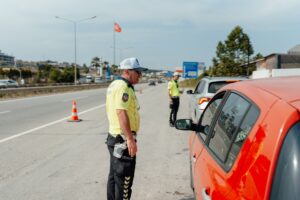
Highway patrol officers play a vital role in keeping roads safe and traffic moving smoothly. Every day, they respond to accidents, enforce laws, assist stranded drivers, and handle emergencies that can happen without warning. However, the job has become increasingly difficult in recent years. New technology, heavier traffic, and changing public expectations have added layers of complexity to an already demanding profession. As a result, understanding the challenges these officers face helps highlight the importance of their work and the support they need.
The responsibilities of highway patrol officers extend far beyond issuing traffic citations. They often make split-second decisions in dangerous situations while working long hours under stressful conditions. Moreover, they must balance public safety with community relations and legal requirements. These growing demands continue to shape the profession and create new obstacles that require attention. One of the most significant factors affecting their work today is traffic safety enforcement, which has become more complex as road conditions and driver behavior continue to evolve.
Increasing Traffic Volumes and Congestion
Roadways across the country are busier than ever. Population growth and increased vehicle ownership have led to heavier traffic in many regions. Consequently, highway patrol officers must monitor larger numbers of vehicles while maintaining safety standards and responding to incidents quickly.
Traffic congestion also creates unique enforcement challenges. When roads become crowded, aggressive driving behaviors often increase. Drivers may speed, weave between lanes, or follow other vehicles too closely. Therefore, officers must remain alert and ready to intervene before dangerous situations escalate into serious accidents.
Distracted Driving Continues to Rise
Technology has transformed daily life, but it has also introduced significant risks on the road. Many drivers use smartphones, navigation systems, and other devices while driving. As a result, distracted driving remains one of the leading concerns for highway patrol officers.
Unlike traditional traffic violations, distracted driving can be difficult to detect. Drivers often attempt to hide their phone use when they notice law enforcement nearby. Furthermore, proving a distraction-related violation may require additional observation and documentation. This challenge places extra pressure on officers who already manage numerous responsibilities during each shift.
Navigating Public Perception and Community Expectations
Public expectations of law enforcement have changed significantly in recent years. Citizens expect transparency, professionalism, and accountability during every interaction. While these expectations are reasonable, they also increase pressure on officers performing difficult tasks in unpredictable environments.
Building trust requires consistent communication and positive engagement. Therefore, highway patrol officers often spend time educating drivers and assisting communities in addition to enforcing laws. In the midst of these efforts, maintaining law enforcement resilience becomes essential because officers must manage public scrutiny while continuing to perform their duties effectively.
Managing High-Speed Pursuits Safely
High-speed pursuits remain one of the most dangerous aspects of highway patrol work. Officers must decide quickly whether pursuing a fleeing suspect is worth the potential risks to the public. Although many departments have strict pursuit policies, these situations still require careful judgment.
Pursuits can endanger other motorists, pedestrians, and the officers involved. Therefore, patrol units must constantly evaluate changing conditions during an active chase. Weather, traffic density, and road conditions all influence decision-making. As a result, balancing enforcement with public safety remains a major challenge.
Addressing Impaired Driving Incidents
Driving under the influence continues to threaten roadway safety despite years of public awareness campaigns. Highway patrol officers regularly encounter drivers impaired by alcohol, drugs, or prescription medications. Consequently, identifying and removing these drivers from the road remains a top priority.
The rise of various substances has added complexity to impairment investigations. Officers often require specialized training to recognize signs of drug impairment. Additionally, legal procedures and evidence collection requirements can make these cases more time-consuming than traditional traffic stops.
Coping With Staffing and Resource Limitations
Many law enforcement agencies face staffing shortages. Highway patrol departments are no exception. When agencies struggle to recruit and retain qualified personnel, existing officers often carry heavier workloads. As a result, fatigue and burnout can become serious concerns.
Limited resources can also affect equipment availability and training opportunities. While departments work hard to maximize efficiency, budget constraints sometimes create obstacles. Consequently, officers must accomplish more with fewer resources while maintaining high standards of public service.
Adapting to New Technology and Cyber Threats
Modern vehicles contain advanced technology that affects both drivers and law enforcement operations. Automated systems, digital communication tools, and connected vehicles offer benefits, yet they also create new challenges. Officers must stay informed about evolving technologies to perform their jobs effectively.
Technology also introduces concerns related to cybercrime and digital evidence. Investigations increasingly involve electronic data and specialized systems. Consequently, ongoing training has become essential for officers who must adapt to rapidly changing technological environments while maintaining operational readiness.
Protecting Mental Health in a High-Stress Profession
Highway patrol officers regularly encounter traumatic events, including serious crashes, injuries, and fatalities. These experiences can take a significant emotional toll over time. Therefore, mental health support has become an increasingly important topic within law enforcement agencies.
Addressing emotional well-being benefits both officers and the communities they serve. Programs that encourage counseling, peer support, and stress management can help reduce burnout and improve job performance. The growing focus on officer wellness programs reflects a broader understanding that mental health is a critical component of effective public safety.
The challenges facing highway patrol officers today are complex and constantly evolving. From managing traffic congestion and distracted driving to adapting to technology and maintaining mental health, these professionals handle responsibilities that extend far beyond traditional enforcement duties. Their ability to respond effectively often determines the safety of countless motorists every day.