Inside the Life of a Highway Patrol Officer: A Real Look at the Job


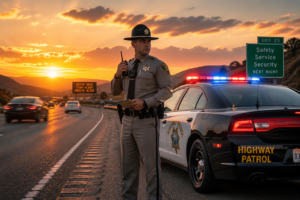
Every day on the road brings new challenges, and that is exactly what makes the role of a highway patrol officer so unique. From sunrise to late-night shifts, officers work hard to keep drivers safe and traffic flowing smoothly. Many people see patrol cars on highways, yet few truly understand the full scope of the job. In reality, a highway patrol’s daily routine involves far more than issuing tickets; it requires focus, patience, and quick decision-making.
Starting the Day with Preparation and Briefing
A highway patrol officer usually begins the day at the station. First, they attend a briefing with supervisors and fellow officers. During this time, they review updates about traffic patterns, weather conditions, and any incidents from previous shifts. This step helps officers stay informed and ready for what lies ahead.
Next, officers carefully inspect their patrol vehicles. They check lights, sirens, communication systems, and safety gear. This process ensures everything works properly before heading out on the road. In addition, they review their assigned patrol areas, which may include highways, rural roads, or busy city routes.
Hitting the Road and Monitoring Traffic
Once prepared, officers begin their patrol. As they drive along highways, they constantly scan for unsafe driving behaviors. Speeding, reckless lane changes, and distracted driving often catch their attention. Because traffic conditions change quickly, officers must stay alert at all times.
At the same time, they use radar or speed detection tools to monitor vehicles. When they spot a violation, they safely pull the driver over. However, the goal is not just enforcement; it is also education. Officers often explain the risks of unsafe driving and encourage better habits.
Responding to Emergencies and Accidents
Sooner or later, emergency calls become part of the day. When accidents occur, highway patrol officers respond quickly. They secure the scene, assist injured individuals, and direct traffic to prevent further incidents. In many cases, they work alongside paramedics and firefighters.
Moreover, officers investigate the cause of the crash. They gather evidence, take statements, and document the situation carefully. This information helps determine responsibility and supports insurance or legal processes. Because these situations can be stressful, officers rely on strong communication and calm decision-making.
Assisting Drivers and Providing Support
Not every call involves a violation or accident. In fact, many drivers need help with simple issues. Flat tires, empty gas tanks, or broken-down vehicles are common on highways. Officers often stop to assist or call for roadside services.
In addition, they offer directions and guidance to travelers who feel lost. This part of the job may seem small, yet it builds trust between officers and the public. Helping people in need remains a core part of the role.
Paperwork and Reporting Duties
Although patrol work happens on the road, paperwork plays a big role, too. After handling incidents, officers must complete detailed reports. These reports include accident descriptions, citations, and observations.
Furthermore, accurate documentation ensures transparency and accountability. It also helps other departments understand what happened during each shift. While paperwork may feel repetitive, it remains essential to the job.
Mid-Shift Challenges and Changing Conditions
As the day continues, road conditions often change. Traffic may increase during rush hours, or weather conditions might worsen. Therefore, officers must adjust their approach based on the situation.
During this time, officers may also handle multiple calls in a short period. For example, they might respond to a crash, then quickly shift to monitoring speeding vehicles. This constant change requires strong multitasking skills. Amid these demands, the role of a traffic law enforcement officer becomes even more critical in maintaining order and safety.
Working with Technology and Communication Systems
Modern highway patrol work relies heavily on technology. Officers use communication radios, GPS systems, and databases to stay connected. These tools allow them to access vehicle information, check licenses, and coordinate with other units.
Additionally, cameras and dash systems record interactions and incidents. This technology helps ensure accountability and provides valuable evidence when needed. As a result, officers can perform their duties more effectively and safely.
Staying Alert and Managing Stress
Long hours on the road can be mentally demanding. Officers must stay focused, even during quiet periods. However, sudden emergencies can happen at any moment, so they must always remain prepared.
To manage stress, many officers develop strong routines and coping strategies. They rely on teamwork and support from colleagues. Taking short breaks when possible also helps them stay sharp throughout the shift.
Ending the Shift and Reviewing the Day
At the end of the day, officers return to the station. They complete any remaining reports and update supervisors on their activities. This step ensures continuity between shifts and keeps everyone informed.
Afterward, they secure their equipment and prepare for the next day. Although the shift may end, the impact of their work continues. Safer roads and fewer accidents reflect their efforts.
Why This Role Matters More Than Ever
Highway patrol officers play a vital role in public safety. Every action they take helps reduce risks and protect lives. Whether they enforce laws or assist stranded drivers, their presence makes a difference.
In today’s fast-paced world, traffic continues to grow. Therefore, the need for dedicated officers remains strong. Understanding the law enforcement patrol duties involved in this job underscores the responsibility these professionals carry each day.
A Meaningful End to a Demanding Day
The highway patrol officer’s routine blends responsibility, service, and constant awareness. From early briefings to late-night reports, each part of the day serves a purpose. While many people only see brief moments on the road, the full picture reveals a demanding and meaningful career. Ultimately, those who follow this path commit themselves to protecting others, ensuring that every journey becomes a little safer. The dedication behind this work reflects the true essence of a police highway safety role.