Highway Patrol Officer Saves Lives During Intense Interstate Pursuit


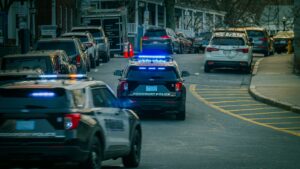
High-speed chases are some of the most dangerous moments on American highways. Every second matters, every decision counts, and lives are often on the line. When a suspect refuses to stop and pushes speeds beyond safety limits, a highway patrol officer must balance speed, control, and public protection. In this dramatic high-speed chase, quick thinking and skilled action saved lives and removed a serious threat from the road.
Highway patrol officers train for years to prepare for moments like this. While many drivers may never witness such an event, these chases highlight the courage and responsibility that come with the badge. This story shows how professionalism, teamwork, and calm judgment can turn chaos into safety.
The Moment the Chase Began
The incident started on a busy interstate during afternoon traffic. A vehicle was reported driving recklessly, weaving between lanes, and nearly causing multiple crashes. Because of the high risk, a highway patrol officer quickly responded and attempted a traffic stop. Instead of slowing down, the driver accelerated and fled.
At that point, the situation shifted from a routine stop to a critical emergency. The officer had to make fast decisions while keeping nearby drivers safe. Even so, the patrol unit maintained a controlled distance, using training to avoid provoking the suspect into more dangerous behavior.
As traffic density increased, the danger grew. Cars filled every lane, and one wrong move could have triggered a chain-reaction crash. However, the officer stayed focused, communicated clearly with dispatch, and requested backup while continuing to monitor the suspect’s movements.
Balancing Speed and Public Safety
During high-speed pursuits, speed alone does not define success. Control and awareness matter far more. The officer adjusted speed based on traffic flow, road conditions, and visibility. Because of this approach, the chase avoided sudden collisions despite reaching extreme speeds.
Meanwhile, dispatch alerted nearby units and coordinated traffic management ahead. Other officers positioned themselves to slow traffic and clear lanes when possible. This teamwork helped reduce the risk to innocent drivers who had no idea a chase was underway nearby.
At the same time, the pursuing officer watched for signs of driver error. Swerving, hard braking, and loss of control often signal when a chase may soon end. By staying alert, the officer remained ready to act the moment an opportunity appeared.
Quick Decisions That Prevented Disaster
As the chase continued, the suspect attempted to exit the interstate at high speed. This move could have been deadly, since exit ramps are not designed for such speeds. The officer reacted instantly, adjusting position and preparing for emergency intervention.
Fortunately, the suspect lost control while navigating the curve. The vehicle spun but did not strike other cars. Because the officer had kept a safe distance, there was room to maneuver and block the car without causing further harm.
Within seconds, backup units arrived and secured the scene. Medical teams checked the suspect, who suffered minor injuries, and confirmed that no bystanders were hurt. Thanks to fast thinking and disciplined driving, a potential tragedy was avoided.
Why Training Makes the Difference
Highway patrol officers undergo extensive pursuit training that focuses on judgment as much as driving skill. They learn when to continue, when to slow down, and when to end a chase if risks outweigh benefits. This training played a key role in saving lives during this incident.
Officers also train for stress management. During a chase, heart rates rise and adrenaline surges. Still, clear thinking remains essential. By following procedures and relying on experience, the officer avoided making emotional decisions that could have worsened the situation.
In addition, patrol vehicles are equipped with advanced safety tools. Dash cameras, communication systems, and vehicle control technology support officers during critical moments. However, technology only works when paired with proper training and sound judgment.
The Impact on Everyday Drivers
For drivers on the road that day, the outcome mattered more than the chase itself. Many never realized how close they came to danger. Because of the officer’s actions, families returned home safely, traffic resumed, and the threat ended without loss of life.
Highway patrol officers often protect people who never know their names. They stand between danger and the public, often without recognition. This incident serves as a reminder that road safety depends not only on laws, but also on the people who enforce them with care.
Moreover, successful outcomes like this build trust between law enforcement and communities. When officers prioritize safety over speed or pride, it shows commitment to public well-being.
The Human Side of High-Speed Pursuits
Behind every patrol uniform is a human being making hard choices. Officers understand that suspects may be scared, impaired, or desperate. Even so, their duty is to stop dangerous behavior while preserving life whenever possible.
After the chase ended, the officer completed reports, reviewed footage, and reflected on decisions made during the event. This review process helps officers learn and improve, even after successful outcomes.
Emotional weight often follows these incidents. Knowing that a different choice could have led to serious harm stays with officers long after the lights turn off. That reality makes their calm performance during the chase even more meaningful.
A Reminder of What Highway Patrol Officers Do
This dramatic event highlights the core mission of highway patrol officers. They enforce traffic laws, respond to emergencies, and protect the public from serious threats on the road. While many days involve routine duties, others demand bravery and precision under pressure.
High-speed chases show the end of that responsibility. They require courage, discipline, and respect for human life. When handled correctly, they prevent greater harm and reinforce the importance of professional law enforcement on public roads.
Ultimately, this story reflects more than a single chase. It represents countless moments where officers act quickly, think clearly, and put public safety first. These actions save lives, even when most people never see them happen.