Heroic Highway Patrol Response: How a High-Speed Pursuit Turned Into a Life-Saving Moment


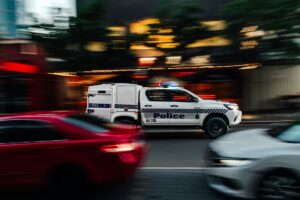
On a clear Ohio evening, what began as a routine traffic stop quickly turned into a heart-pounding chase that could have ended in tragedy. Drivers along the interstate watched flashing lights blur past them as a suspect vehicle sped through traffic, weaving between cars at dangerous speeds. Yet, thanks to quick thinking, sharp training, and steady nerves, a potential disaster was averted in time by a dedicated member of the Ohio State Highway Patrol. Stories like this highlight the real impact of high-speed pursuit intervention.
Highway patrol officers train for these moments, but no two pursuits are ever the same. Every decision matters. Every second counts. In this case, one officer’s quick response prevented injuries and possibly saved multiple lives.
A Routine Patrol Turns Critical
The evening started like many others. Traffic moved steadily along a busy stretch of highway, and patrol units monitored for speeding and reckless driving. Suddenly, radar detected a vehicle traveling far above the posted limit. The officer activated his lights and siren, expecting the driver to pull over.
Instead, the suspect accelerated.
Within seconds, the situation shifted from a simple stop to an active chase. The fleeing vehicle darted between lanes, forcing nearby drivers to brake hard. As a result, the risk level rose sharply. The officer had to act fast but also think clearly.
High-speed pursuits demand a balance between urgency and control. Officers must track the suspect while also protecting innocent motorists. Therefore, constant communication with dispatch becomes critical. Backup units were alerted immediately, and supervisors began coordinating support.
Split-Second Decisions on the Interstate
As the chase continued, traffic thickened near an upcoming exit. The suspect attempted to cut across several lanes, nearly causing a multi-vehicle crash. However, the pursuing officer anticipated the move and adjusted his positioning to create space between the suspect and other drivers.
Training plays a vital role in these moments. Officers practice defensive tactics, emergency driving skills, and scenario-based decision making throughout their careers. Because of that preparation, the officer maintained a safe following distance while still keeping the suspect in sight.
Meanwhile, dispatch provided updates about road conditions ahead. Spike strips were prepared at a strategic location. Coordination between units allowed officers to guide the suspect toward a less congested stretch of highway. This teamwork reduced the public’s risk.
The Turning Point That Prevented Tragedy
Eventually, the suspect lost control while attempting another aggressive lane change. The vehicle clipped a guardrail and spun toward the shoulder. Fortunately, the officer had already slowed slightly in anticipation of sudden movement. As a result, he avoided a collision and positioned his cruiser to block traffic from approaching the wreck.
This is where the story shifts from pursuit to rescue.
The suspect’s vehicle began to smoke. Within moments, small flames appeared under the hood. Instead of waiting for fire crews, the officer rushed toward the car. He pulled the injured driver from the vehicle just before flames intensified. This decisive action became a powerful example of emergency roadside rescue tactics.
Bystanders later said the scene felt unreal. Cars had stopped, drivers stood at a distance, and sirens echoed across the highway. Yet through it all, the officer remained calm and focused. He provided first aid until paramedics arrived. Because of that quick response, the suspect survived.
Why Training and Protocol Matter
High-speed chases can end in serious injuries or worse. For that reason, highway patrol agencies enforce strict pursuit policies. Officers constantly evaluate whether continuing a chase is safer than ending it. Supervisors monitor radio traffic and assess risks in real time.
In this case, communication and discipline shaped the outcome. The officer followed department guidelines and adjusted tactics as conditions changed. Moreover, coordination with backup units allowed for the safe deployment of spike strips without endangering other motorists.
Importantly, the decision to transition from pursuit to rescue underscores law enforcement’s deeper mission. Officers do not simply enforce laws. They protect lives, even when those lives belong to individuals who break the law. That commitment builds public trust and strengthens community confidence.
Community Reaction and Public Safety Impact
News of the dramatic chase spread quickly. Witnesses shared their experiences, and local media reported on the life-saving actions taken that night. Many residents expressed gratitude for the professionalism shown during such a tense event.
Incidents like this also spark conversations about public safety. Some people question whether pursuits should occur at all. Others emphasize the need to stop dangerous drivers before they harm someone. While opinions vary, one fact remains clear. Swift and controlled action prevented a far greater tragedy that evening.
Because the officer quickly blocked traffic and secured the crash scene, secondary collisions were avoided. In addition, paramedics reached the injured driver without delay. These steps demonstrate the value of coordinated response efforts.
The Human Side of the Badge
Behind every uniform is a person who trains, prepares, and carries responsibility each day. After the incident, the officer completed detailed reports, attended a review meeting, and returned to patrol duty. Although he received praise, he described the outcome as simply part of the job.
Still, moments like this leave an emotional mark. High-speed pursuits trigger adrenaline and intense focus. Once the scene clears, officers often reflect on how close events came to disaster. Support from peers and supervisors plays an important role in maintaining resilience.
This story also shows the importance of law enforcement crisis response training. The officer did not hesitate when the vehicle caught fire. He relied on his preparation and stepped forward to act. That training made the difference between chaos and control.
Lessons Learned From a Dramatic Chase
Several key lessons emerge from this event. First, preparation saves lives. Officers who commit to ongoing training sharpen their ability to react under pressure. Second, teamwork strengthens outcomes. Dispatchers, supervisors, and backup units all contributed to the safe resolution.
Third, quick thinking reduces harm. The officer anticipated the suspect’s moves and adjusted accordingly. As a result, he minimized danger to other drivers. Finally, compassion matters. Even after a reckless attempt to flee, the suspect received immediate aid.
Highway patrol officers face unpredictable situations every day. However, their goal remains steady. They protect the public while upholding the law. When those duties collide in high-risk moments, courage and discipline guide the way.
A Reminder of Everyday Heroes on Our Roads
Drivers often see patrol vehicles on the roadside and think only about traffic tickets. Yet stories like this reveal a broader reality. Highway patrol officers stand ready to act when danger appears without warning.
In this dramatic chase, one officer’s actions prevented serious harm and saved a life. The flashing lights that once signaled a pursuit soon marked a rescue scene. Because of smart decisions and steady leadership, families traveling that night reached home safely.
While high-speed pursuits will always carry risk, proper training and responsible judgment can reduce that danger. Communities rely on highway patrol officers to make those tough calls. And when they do, the results can be truly life-changing.