In addition, many patrol departments maintain transparent communication through public websites and community events. This openness allows citizens to see how officers train, operate, and serve, strengthening overall community policing efforts. When people feel informed, they tend to cooperate more during traffic stops and investigations.
Guardians of the Highway: Inside the Lives of America’s Roadside Protectors


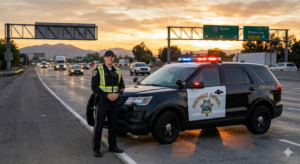
Every day, millions of Americans travel across highways to get to work, visit family, or explore new places. While most drivers focus on their destination, a dedicated group of professionals focuses on their safety. These men and women stand watch in all weather conditions, at all hours, ready to respond when something goes wrong. They direct traffic after major crashes, stop dangerous drivers, and assist stranded families. In many ways, they represent the front line of highway safety enforcement.
Highway patrol officers serve as both protectors and problem solvers. They monitor traffic patterns, prevent reckless driving, and provide immediate response during emergencies. Because highways connect cities, states, and rural communities, these officers often travel long distances during a single shift. As a result, they must stay alert and prepared for anything.
A Day on the Open Road
A typical shift rarely follows a script. One moment, an officer may assist with a minor fender bender. Soon after, that same officer could respond to a multi-vehicle crash that blocked several lanes. Therefore, flexibility and quick thinking remain essential skills.
Officers start their day by checking equipment, reviewing alerts, and planning patrol routes. They rely on training and traffic incident response teams to manage complex scenes quickly and safely. Because highways move at high speeds, every decision must be made quickly. Moreover, officers must protect not only crash victims but also other drivers passing through the scene.
In addition, patrol officers often provide roadside assistance. They change tires, help drivers with dead batteries, and guide confused travelers. Although these tasks may seem small, they build trust between officers and the public. Over time, consistent support creates stronger community relationships.
Training That Builds Confidence
Becoming a highway patrol officer requires more than a badge and a patrol car. Recruits complete rigorous physical training, classroom instruction, and real-world simulations. During academy programs, they study traffic law, defensive driving, and emergency medical procedures. Consequently, they graduate ready to handle both routine stops and critical incidents.
Training does not end after graduation. Officers continue learning throughout their careers. For example, they practice advanced driving skills that prepare them for high-speed pursuits. They also train in de-escalation techniques to reduce tension during difficult interactions. Because the public expects professionalism, officers focus on communication as much as enforcement.
Furthermore, many departments partner with federal programs such as the National Highway Traffic Safety Administration. These partnerships provide updated research, safety data, and public awareness campaigns. As a result, officers stay informed about trends such as distracted driving and impaired driving.
Facing Risk with Courage
Highways can become dangerous in seconds. Heavy rain reduces visibility, icy roads cause sudden skids, and careless drivers create unexpected hazards. Therefore, patrol officers step into risky situations to prevent greater harm.
When a crash occurs, officers secure the area first. They position their vehicles to shield victims and direct traffic away from danger. Next, they assess injuries and call for medical support. In high-stress moments, their calm presence reassures victims and witnesses alike.
Because commercial trucks travel across state lines daily, patrol officers also enforce trucking regulations. They inspect vehicles, check driver logs, and ensure cargo remains secure. These checks support commercial vehicle compliance inspections, which help prevent catastrophic accidents. Although the work requires patience and attention to detail, it saves lives over time.
Moreover, officers often work during holidays and severe storms. While families gather indoors, patrol units remain active on the roads. Their commitment shows a deep sense of duty that goes beyond a normal job.
Community Connection Matters
Highway patrol officers do more than respond to emergencies. They speak at schools, host safety workshops, and lead public awareness campaigns. For instance, they teach teenagers about the risks of texting while driving. They also encourage seatbelt use and sober driving.
Because trust builds safety, officers invest time in outreach. They answer questions about traffic laws and explain why certain rules exist. As a result, drivers understand that enforcement aims to protect rather than punish.
Technology on Today’s Highways
Modern patrol work relies heavily on technology. Officers use radar systems to monitor speed and dashboard cameras to document interactions. They also access real-time databases that provide vehicle and license information within seconds.
At crash scenes, digital mapping tools help accurately reconstruct events. This process supports fair investigations and court proceedings. Meanwhile, body cameras increase accountability and strengthen public trust.
Additionally, data analysis now guides patrol strategies. Departments review accident statistics to identify high-risk areas. They then increase patrol presence in those zones, which often reduces collisions. Because technology continues to evolve, officers must stay adaptable and ready to learn new systems.
The Human Side of the Badge
Behind every uniform stands a person with family, hobbies, and personal goals. Many patrol officers come from the communities they protect. Therefore, they feel a strong connection to residents and businesses.
However, the job can take an emotional toll. Officers witness serious injuries and tragic losses. For that reason, departments provide mental health support and peer counseling. By openly addressing stress, agencies help officers stay strong and focused.
In the second sentence of this final reflection, it is important to recognize the heart behind roadside emergency assistance. These moments of helping stranded drivers, comforting crash victims, and guiding lost travelers often define the true spirit of patrol work.
Although challenges remain, most officers describe their careers as meaningful. They know their efforts prevent accidents and save lives. Each safe commute, each cleared roadway, and each prevented crash reflects their daily commitment.
Why Their Work Matters More Than Ever
Traffic volume continues to grow across the United States. More vehicles on the road increase the chance of collisions and congestion. Therefore, the role of highway patrol officers remains essential.
When you see flashing lights in your rearview mirror, remember the purpose behind them. Highway patrol officers stand ready to protect strangers they may never meet again. Through courage, training, and compassion, they truly embody the spirit of highway heroes.