Guardians of the Highway: How Road Patrol Teams Keep America Moving Safely


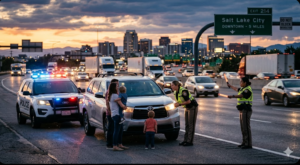
Every day, millions of drivers travel across highways that stretch through cities, mountains, deserts, and rural towns. Most people reach their destinations without thinking about the men and women who protect them along the way. However, highway patrol officers and emergency road crews work around the clock to prevent crashes, respond to danger, and help stranded travelers. Their work often happens in harsh weather, heavy traffic, and stressful conditions. Because of their commitment, families arrive home safely each night. These brave professionals stand at the center of interstate safety operations, creating safer roads for everyone who travels across the country.
Long Hours in Dangerous Conditions
Road patrol officers face difficult conditions almost every day. They patrol highways during storms, heavy fog, extreme heat, and icy winter nights. While many people stay indoors during dangerous weather, these officers continue working to protect drivers and reduce accidents. In many situations, they place themselves close to speeding traffic while helping injured motorists or clearing wreckage from busy roads.
At the same time, officers must stay alert for reckless drivers, impaired motorists, and sudden emergencies. A routine traffic stop can become dangerous within seconds. Because highways move quickly and conditions change rapidly, patrol teams need sharp focus on every shift. Their ability to stay calm under pressure often prevents serious accidents and saves lives.
Fast Responses During Emergencies
When crashes happen on major highways, every second matters. Emergency responders often arrive before medical crews because they patrol nearby areas throughout the day. They direct traffic, secure damaged vehicles, and help injured people until paramedics arrive. Quick action reduces confusion and lowers the risk of additional crashes near the accident scene.
In addition, these first responders often comfort frightened drivers and passengers during stressful moments. Many people feel overwhelmed after a crash, especially if children or family members are involved. Highway patrol teams provide reassurance while keeping traffic moving safely around the scene. Their calm presence helps restore order during chaotic situations.
Modern Technology Behind Road Protection
Technology now plays a major role in highway safety. Patrol vehicles use advanced cameras, radar systems, and communication tools that help officers detect speeding, locate stolen vehicles, and monitor traffic patterns. These tools allow faster responses and better coordination during emergencies.
Drivers also benefit from improved road monitoring systems. Traffic cameras, digital warning signs, and accident detection software help officers respond more efficiently to dangerous situations. As technology continues to evolve, patrol departments receive more tools that improve both officer safety and public protection. Many departments also train officers in traffic enforcement technology to adapt to changing road conditions and modern driving habits.
Building Trust With Local Communities
Strong relationships between patrol officers and local communities improve highway safety for everyone. Many departments now participate in outreach programs, school visits, and public education events that teach safe driving habits. These efforts help people see officers as approachable professionals rather than distant authority figures.
Community trust becomes especially important during emergencies or natural disasters. When drivers trust law enforcement, they are more likely to follow instructions during evacuations, road closures, or severe weather situations. As a result, roads remain safer, and emergency operations move more smoothly. Positive communication between officers and drivers creates a safer environment for everyone involved.
The Emotional Side of Patrol Work
Many people focus on the physical dangers of highway patrol work, yet the emotional challenges can be just as difficult. Officers regularly witness severe injuries, tragic crashes, and stressful family situations. These experiences can take a heavy emotional toll over time. Even so, officers continue serving their communities with professionalism and care.
Departments across the country now recognize the importance of mental health support for first responders. Counseling programs, peer support groups, and wellness initiatives help officers manage stress more effectively. Emotional resilience allows patrol teams to remain focused and compassionate while handling difficult situations on the road.
Training That Prepares Officers for the Unexpected
Highway patrol professionals complete extensive training before working independently on the road. They learn defensive driving, emergency response techniques, conflict management, and public communication skills. Since highway conditions can change instantly, officers must prepare for a wide range of situations before entering active patrol service.
Training continues throughout their careers because traffic laws, vehicle technology, and public safety practices continue to evolve. Officers regularly participate in advanced exercises that improve reaction time and decision-making under pressure. Many agencies also focus on roadside emergency response skills because quick thinking can prevent secondary accidents and save lives during major incidents.
Everyday Acts of Service That Go Unnoticed
Many patrol officers perform small acts of kindness that rarely appear in headlines. They help stranded families change flat tires, assist elderly drivers who feel lost, and guide motorists during severe storms. Sometimes they spend hours directing traffic after accidents to prevent additional danger for nearby drivers.
These daily actions build stronger connections between officers and the public. While dramatic rescues often receive attention, simple moments of service shape how communities view highway patrol professionals. Drivers remember the officer who helped them during a stressful breakdown or stayed nearby until help arrived late at night.
The Future of Safer Travel Across America
As roads become busier and vehicles become more advanced, highway patrol teams will continue adapting to new challenges. Population growth, distracted driving, and changing transportation systems all create additional pressure on road safety professionals. Even so, these officers remain committed to protecting travelers across the country. Their dedication strengthens public confidence and keeps highways operating safely every day. In many communities, highway incident management programs now support faster emergency coordination and better traffic control during major accidents.
The future of highway safety depends on teamwork between patrol officers, emergency responders, transportation agencies, and responsible drivers. Every person on the road plays a role in reducing risk and improving travel conditions. When drivers stay alert and cooperate with law enforcement, highways become safer for families, workers, and visitors alike. The fearless men and women who patrol America’s roads continue standing guard each day, often without recognition, yet their service protects countless lives across the nation.