Complete Highway Patrol Equipment Guide for Maximum Safety and Performance


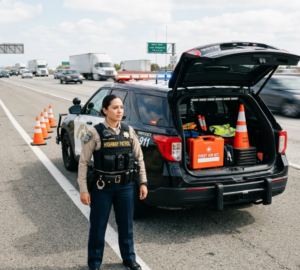
Highway patrol officers face demanding situations every day, so they rely on the right gear to stay safe and effective. From traffic stops to emergency responses, every piece of equipment serves a clear purpose. Without proper tools, even simple tasks can become risky. That is why preparation matters so much in this line of work. Officers who carry the right gear can respond faster, stay protected, and help others with confidence. A strong setup often starts with essential patrol duty equipment, which forms the backbone of daily operations.
Standard Uniform and Protective Wear
Every highway patrol officer begins the day with a standard uniform that offers both comfort and visibility. The uniform usually features durable fabric that withstands long hours and harsh weather. In addition, reflective elements help officers remain visible during night shifts and in low-light conditions. This visibility plays a key role in roadside safety.
Protective wear also includes items like gloves and weather-resistant jackets. These pieces help officers stay focused on their tasks without worrying about discomfort. For example, gloves can protect hands during inspections or emergency care. As a result, officers can handle situations more efficiently and safely.
Duty Belt and Core Tools
The duty belt is one of the most important parts of an officer’s gear. It holds essential tools that must be easy to reach at all times. Typically, the belt carries a firearm, handcuffs, a flashlight, and a radio. Each item has a specific place to ensure quick access when needed.
Moreover, organization on the belt can improve response time. Officers train to use each tool without hesitation. Because of this, even high-pressure situations become more manageable. A well-arranged duty belt supports both safety and performance throughout the shift.
Communication Devices and Technology
Clear communication is critical in highway patrol work. Officers depend on radios to stay connected with dispatch and other units. These devices allow them to share updates, request backup, and receive instructions in real time. Without reliable communication, coordination would break down quickly.
In addition, many officers now use mobile data terminals in their vehicles. These systems provide access to records, maps, and real-time traffic updates. As technology improves, officers can make better decisions faster. This level of support makes a big difference during emergencies.
Vehicle Equipment and Emergency Tools
A patrol vehicle is more than just a means of transportation. It serves as a mobile command center equipped with advanced tools. Emergency lights and sirens help officers alert other drivers and control traffic flow. These features are vital during high-speed responses or accident scenes.
Inside the vehicle, officers often carry items such as first-aid kits, fire extinguishers, and road flares. These tools allow them to handle a wide range of situations. For example, they can provide immediate care to injured drivers or secure a dangerous area. Amid these responsibilities, tools for highway emergency response gear become especially valuable, as they support life-saving actions on the road.
Defensive and Safety Equipment
Safety is always a top priority for highway patrol officers. Therefore, they carry defensive tools to protect themselves and others. These may include body armor, pepper spray, and other approved devices. Each item is designed to reduce risk during unpredictable encounters.
Body armor, in particular, offers critical protection against serious threats. Officers wear it daily because it can save lives in dangerous situations. At the same time, non-lethal tools provide options for handling conflicts without excessive force. This balance helps maintain both safety and professionalism.
Documentation and Reporting Tools
Accurate reporting is a key part of an officer’s job. After each incident, officers must document what happened in clear detail. For this reason, they carry notebooks, citation books, or digital devices. These tools help record important information quickly and correctly.
In many cases, officers also use body cameras. These devices capture real-time footage of interactions and incidents. As a result, they provide valuable evidence and increase transparency. Clear documentation supports both legal processes and public trust.
Traffic Control and Road Safety Supplies
Managing traffic is another important duty. Officers use cones, barriers, and warning signs to guide vehicles safely. These tools help prevent accidents, especially during road work or emergencies. By controlling traffic flow, officers reduce confusion and keep drivers safe.
Additionally, reflective vests and lighting tools improve visibility. These items ensure that drivers can see officers from a distance. Better visibility lowers the risk of accidents and creates a safer work environment. Traffic control tools play a major role in daily patrol tasks.
Personal Preparedness and Backup Items
Beyond standard gear, officers often carry personal items that support their readiness. These may include extra batteries, hydration supplies, and basic survival tools. Long shifts require both physical and mental endurance, so preparation is key.
Officers also plan for unexpected situations. For example, they may carry backup communication devices or spare equipment. This level of preparation ensures they can handle challenges without delay. Being ready for anything is part of the job.
Staying Ready for Every Mile Ahead
Highway patrol officers depend on a wide range of tools to perform their duties safely and effectively. Each piece of gear has a clear purpose, from communication devices to protective equipment. Together, these items create a system that supports quick action and strong decision-making. In the second sentence, it is clear that following a complete police gear checklist helps officers stay prepared for any situation. When officers are fully equipped, they can focus on what matters most, protecting lives and keeping roads safe.