A First Shift Miracle: How a Rookie Trooper Saved the Day on the Highway


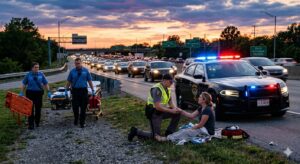
Every career begins with a first day, but some first days quickly become unforgettable. For one rookie trooper assigned to patrol Ohio’s busy highways, the shift started with routine training and cautious optimism. Like many new officers, he prepared himself for long hours of observation, paperwork, and learning from senior patrol members. However, the unpredictable nature of highway policing had something very different in store for him. By the end of that day, his calm actions and courage would turn an ordinary start into a powerful example of a rookie highway patrol hero story.
Highway patrol officers often face situations that change in seconds. Traffic incidents, medical emergencies, and dangerous driving conditions require fast thinking and steady judgment. While experienced officers build those instincts over time, some rookies show extraordinary composure right from the beginning.
The Beginning of a Promising Career
Every highway patrol officer starts with a strong foundation of training. Academies prepare recruits through months of classroom learning, field simulations, and physical conditioning. These programs focus on traffic law, accident response, emergency medical aid, and communication skills. As a result, rookies graduate with the tools needed to handle real-world situations.
On his first official shift, the new officer followed the same process that thousands of troopers experience each year. He checked his patrol vehicle, reviewed safety procedures, and received guidance from senior officers. Meanwhile, Ohio’s highways remained busy with commuters, travelers, and commercial trucks moving across the state.
Many first-day shifts pass quietly, giving new officers time to observe and learn. However, the reality of highway patrol work means that emergencies can appear without warning. That truth became clear only a few hours into the rookie trooper’s first day on duty.
A Dangerous Situation Unfolds
Late in the afternoon, traffic began to slow along a busy stretch of highway. Drivers noticed a vehicle drifting between lanes and gradually losing speed. At first, it seemed like a distracted driver or a mechanical problem. However, the rookie trooper quickly sensed that something more serious might be happening.
He activated his lights and approached the vehicle carefully. When the car finally came to a stop along the shoulder, the officer saw that the driver was slumped over the steering wheel. The situation demanded immediate action.
Training took over at that moment. The trooper checked for breathing, called for medical support, and began basic lifesaving steps. His quick response showed exactly why departments invest so much effort in emergency preparation. The moment reflected the kind of calm decision-making often seen in stories about a highway patrol emergency rescue.
Drivers nearby began to notice the activity on the roadside. Some slowed down to watch, while others moved safely around the scene. Meanwhile, dispatchers sent paramedics to the location as quickly as possible.
Quick Thinking Makes the Difference
Highway patrol officers often arrive first at emergencies. Because of this, their ability to act quickly can determine the outcome of a situation. In this case, the rookie trooper followed every step of his training.
First, he secured the scene to protect both the driver and nearby motorists. Then he continued monitoring the driver’s condition while communicating with dispatch. Within minutes, emergency medical teams arrived and took over care.
Doctors later confirmed that the driver had experienced a sudden medical emergency while driving. If the vehicle had continued moving, it could have caused a serious accident involving multiple cars. Instead, the officer’s quick response helped prevent a potentially tragic situation.
Moments like this highlight the importance of preparation, teamwork, and awareness. Although it was only his first day, the rookie trooper showed the composure that communities expect from those who patrol public roads.
Support From Fellow Officers
Law enforcement work relies heavily on teamwork. Although the rookie trooper acted first, experienced officers soon arrived to assist. Together, they managed traffic flow and ensured that the roadside remained safe while paramedics treated the driver.
One of the responding troopers, Officer Ian King, has served the Ohio State Highway Patrol for more than eight years. Like many experienced officers, he understands how challenging the first months of patrol work can be. When he learned that a new officer had handled the emergency calmly, he recognized the importance of encouraging that confidence.
Veteran officers often guide younger troopers during their early years in the field. Their advice helps rookies refine their instincts, build communication skills, and handle stressful situations more effectively.
Because of this mentorship, new officers quickly grow into dependable professionals who protect communities across the state.
Community Gratitude and Recognition
News of the roadside rescue spread quickly throughout the local community. The driver recovered at a nearby hospital and later expressed deep gratitude for the officer who stopped to help.
Stories like this remind people that highway patrol officers do far more than enforce traffic laws. They also serve as first responders, assisting drivers in distress, providing roadside assistance, and preventing accidents before they occur.
During the following week, department leaders publicly recognized the rookie trooper for his quick thinking. They emphasized that strong training and dedication helped him respond effectively during a critical moment.
However, the story also highlighted the supportive culture within the patrol. Experienced officers, including Officer Ian King, continued to encourage the rookie as he moved forward in his career.
The Daily Heroism of Highway Patrol Officers
Many heroic moments in law enforcement never make headlines. Officers quietly assist stranded drivers, respond to accidents, and help families during stressful situations. While these actions may seem routine to the officers themselves, they often mean everything to the people receiving help.
Highway patrol work requires constant attention and responsibility. Officers must monitor traffic patterns, enforce safety laws, and remain ready for emergencies at any moment. Because highways connect cities and communities, the patrol plays a crucial role in keeping travelers safe.
For the rookie trooper, the events of his first day became a powerful reminder of the job’s true purpose. His courage showed that even new officers can make a meaningful difference when they stay focused and act with care.
A Strong Start for a Long Career
Every officer hopes to build a long and honorable career in public service. While many milestones will come in the years ahead, few moments will feel as memorable as that first shift on patrol.
The rookie trooper’s actions demonstrated how preparation, awareness, and compassion can save lives. His calm response also reinforced the value of strong training programs and supportive leadership within law enforcement agencies.
Meanwhile, experienced officers like Officer Ian King continue guiding the next generation of patrol members. In fact, mentorship programs and shared experience help create stronger teams and safer communities. These partnerships also help reinforce the importance of Ohio highway patrol community safety, which remains a core mission for officers across the state.
The story of this first-day hero reminds us that service often begins with simple actions: paying attention, responding quickly, and helping those in need. When officers bring dedication and professionalism to their work, even a rookie can become a hero.